Why Hotel Investment Is Attracting International Real Estate Buyers
Why Hotel Investment Is Attracting International Real Estate Buyers in 2026
Reading time: 9 minutes
Table of Contents
- The Global Shift Toward Hospitality Assets
- Why Hotels Beat Traditional Real Estate Right Now
- Hot Markets: Where Buyers Are Looking
- Common Challenges (And How to Solve Them)
- Hotel vs. Residential Returns: A Quick Comparison
- Frequently Asked Questions
- Your Roadmap Forward
The Global Shift Toward Hospitality Assets
Ever wonder why seasoned property investors are suddenly swapping apartment blocks for boutique hotels? You’re witnessing one of the most notable capital shifts in real estate since the pandemic recovery. In 2026, cross-border investment into hospitality properties has climbed past $58 billion globally, according to preliminary estimates from major brokerage networks—a figure that would have seemed implausible just five years ago.
The hospitality industry has quietly transformed from a pandemic casualty into one of the most resilient asset classes on the market. Travel demand has not just recovered—it has overshot 2019 benchmarks in most regions, with international arrivals up 12% year-on-year according to UN Tourism’s early 2026 data. That demand surge, combined with limited new hotel construction in prime locations, has created a supply-demand imbalance that savvy investors are exploiting.
Here’s the straight talk: this isn’t a speculative bubble. It’s a structural correction after years of underbuilding, and international buyers know it.
Why Hotels Beat Traditional Real Estate Right Now
Quick scenario: imagine you’re deciding between a residential apartment building in a secondary city and a 40-room hotel in a coastal tourist town. Both cost roughly the same. Which generates better long-term value in 2026’s market conditions?
For many investors, the answer is increasingly the hotel. Here’s why:
- Daily repricing power. Unlike residential leases locked in for 12 months, hotel room rates adjust daily—sometimes hourly—allowing owners to capture inflation and demand spikes in real time.
- Operational upside. A well-run hotel with strong management can outperform its own valuation model through ancillary revenue: restaurants, spas, event spaces, and co-working areas.
- Currency diversification. International buyers, particularly from the Gulf, North America, and increasingly Asia, use hotel acquisitions to hedge against currency volatility in their home markets.
- Tangible, income-producing asset. Unlike equities or funds, a hotel offers both operational cash flow and appreciating real estate value—a rare dual return profile.
Maria Ferreira, a Lisbon-based hospitality investment advisor, put it bluntly in a recent industry panel: “Investors aren’t just buying buildings anymore. They’re buying a business wrapped inside real estate, and that combination is what’s pulling capital away from office towers and retail centers.”
The Retiree and Lifestyle Investor Wave
One underreported trend in 2026 is the rise of smaller-scale international buyers—retirees and lifestyle entrepreneurs purchasing boutique properties of 8 to 20 rooms. These aren’t institutional funds chasing yield spreads; they’re individuals seeking a semi-active income stream tied to a location they genuinely want to live in part-time.
Take the example of a Dutch couple who purchased a 12-room guesthouse on the Adriatic coast in early 2025. Within 18 months, occupancy climbed from 54% to 71% after modest renovations and a shift toward direct-booking marketing, cutting reliance on commission-heavy OTAs. Their net operating income rose by nearly 30%, illustrating how hands-on improvements—not just location—drive returns.
Institutional Capital Returns in Force
On the other end of the spectrum, institutional investors—private equity firms, sovereign wealth funds, and REITs—have re-entered hospitality after a cautious 2023-2024. Large-scale acquisitions of branded resort portfolios in Southern Europe and Southeast Asia dominated deal flow in the second half of 2025, with several transactions exceeding $200 million.
Hot Markets: Where Buyers Are Looking
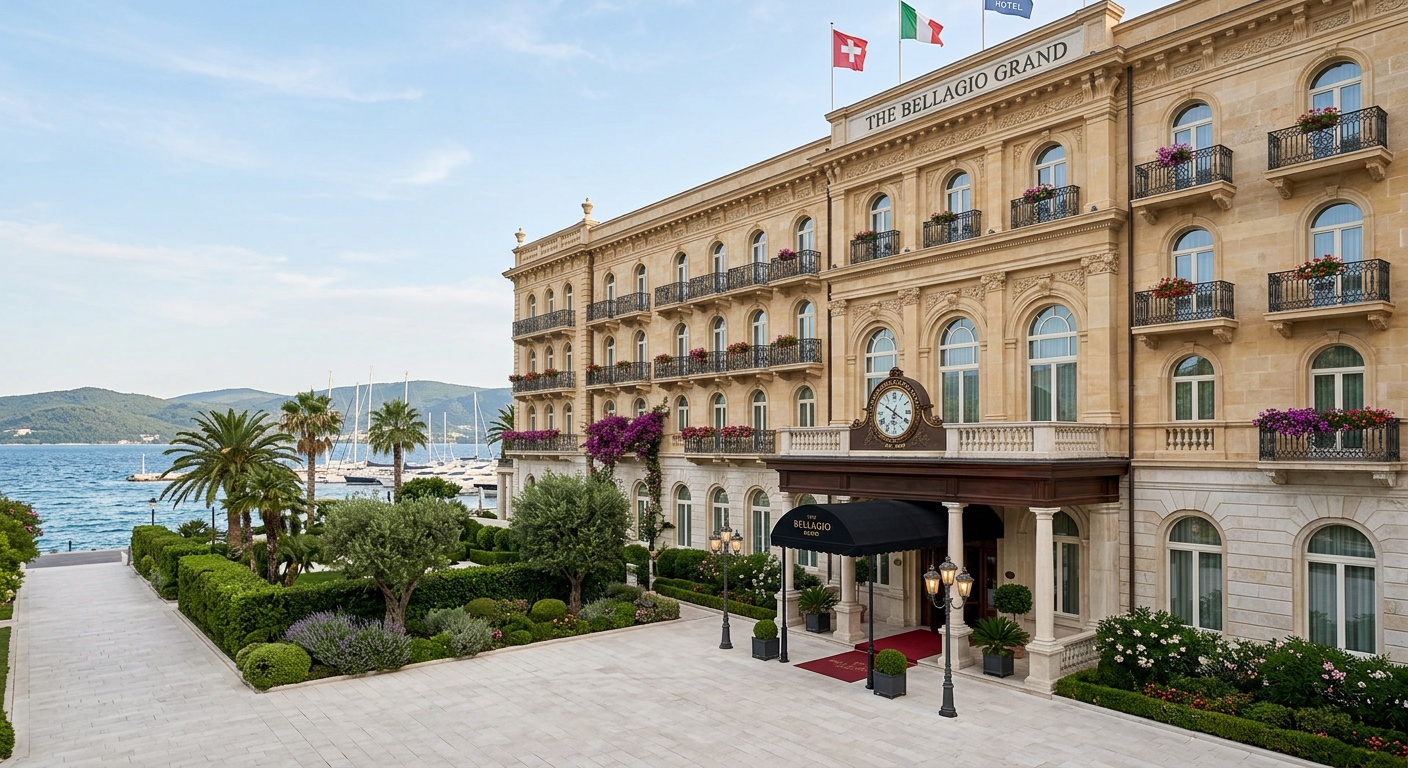
Not every hotel market is created equal, and buyers in 2026 are being notably selective. Mediterranean destinations remain a favorite for their combination of tourism resilience, EU regulatory stability, and relatively accessible entry prices compared to Western Europe’s core markets. For instance, international buyers exploring hotels for sale in greece are drawn by strong occupancy rates on the islands and mainland coastal towns, paired with valuations that still sit below comparable properties in Italy or Spain.
Southeast Asia, particularly Vietnam and parts of Indonesia, is attracting a new wave of capital thanks to rising middle-class domestic tourism combined with international arrivals. Meanwhile, the Gulf region continues to pour money into ultra-luxury hospitality as part of broader tourism diversification strategies tied to national economic plans.
Common Challenges (And How to Solve Them)
Buying a hotel isn’t like buying a rental apartment. It comes with operational complexity that catches many first-time hospitality investors off guard. Let’s address the three most common obstacles.
Challenge 1: Underestimating Operational Costs
Many buyers focus exclusively on purchase price and projected room revenue, forgetting staffing, utilities, maintenance, and franchise or management fees can consume 60-70% of gross revenue. Solution: Always request three years of profit-and-loss statements, not just revenue figures, before making an offer.
Challenge 2: Licensing and Regulatory Complexity
Hospitality licensing varies enormously by country and even by municipality. Fire safety codes, food service permits, and tourism board classifications can delay openings by months. Solution: Engage a local hospitality attorney early in due diligence, not after signing a preliminary agreement.
Challenge 3: Overreliance on Online Travel Agencies
New owners often inherit a booking structure dominated by third-party platforms charging 15-25% commissions. Solution: Invest in a direct booking engine and loyalty incentives within the first year to gradually shift the revenue mix.
Hotel vs. Residential Returns: A Quick Comparison
| Metric | Boutique Hotel | Residential Rental |
|---|---|---|
| Average Annual Yield (2026) | 8-12% | 4-6% |
| Revenue Adjustment Speed | Daily | Annual/Biannual |
| Management Intensity | High | Low to Moderate |
| Seasonal Revenue Volatility | High | Low |
| Exit Liquidity | Moderate (business + asset sale) | High |
2026 Occupancy Rates by Region (Illustrative)
Frequently Asked Questions
Is buying a hotel a good investment for a first-time international buyer?
It can be, provided you partner with local operators or hire an experienced general manager. First-time buyers who succeed typically avoid self-managing day-to-day operations and instead focus on strategic oversight, financing structure, and long-term positioning.
How much capital is typically needed to enter the hotel market in 2026?
Entry points vary widely. Small guesthouses in emerging coastal markets can start around $400,000-$800,000, while branded mid-scale properties in established tourist hubs often require $3 million or more. Financing terms have also loosened slightly in 2026 compared to 2023-2024’s tighter lending environment.
What’s the biggest risk international buyers overlook?
Currency and regulatory risk combined. A property might show strong local-currency returns, but if you’re repatriating profits to a stronger home currency, or facing sudden tourism tax changes, your net return can shrink significantly. Always model returns in both local and home currency, and factor in a buffer for regulatory shifts.
Your Roadmap Forward
Hotel investment in 2026 isn’t a passing trend—it reflects a broader recalibration of how global capital views income-producing real estate. As travel demand continues outpacing new supply, hospitality assets are positioned to remain a favored vehicle for investors seeking both yield and lifestyle value.
If you’re considering entering this space, here’s your practical next-step checklist:
- Define your involvement level — passive institutional-style investment or hands-on boutique ownership.
- Shortlist 2-3 target markets based on tourism growth data, not just personal preference.
- Assemble a local team early—lawyer, accountant, and hospitality operations consultant.
- Request three years of financial history on any property before serious negotiations begin.
- Build a direct-booking strategy into your first-year business plan to protect margins.
The hotels changing hands today will shape which destinations thrive tomorrow. So, are you ready to look beyond traditional real estate and stake a claim in an asset class that pays you every single night a guest checks in?